PROCESS SERVER DAILY
industry insights
Topic hub — 36 articles
 industry insights
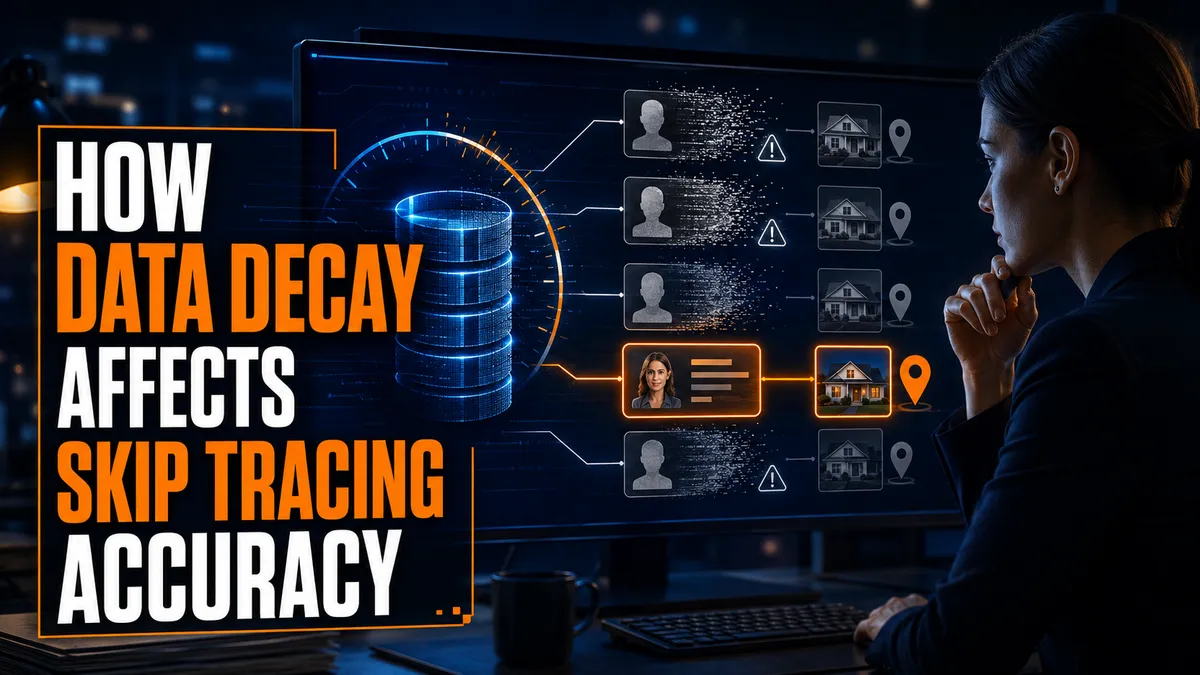
How Data Decay Affects Skip Tracing Accuracy
Data decay in skip tracing occurs when stored information becomes outdated, incomplete, or incorrect. People move, change jobs, disconnect telephone numbers, close businesses, and update their legal names. When these changes are not reflected in a database, process servers may be sent to locations that no longer have any connection to the subject.
The Truth About Difficult Serves Nobody Talks About
How Process Servers Support Eminent Domain Cases
 industry insights
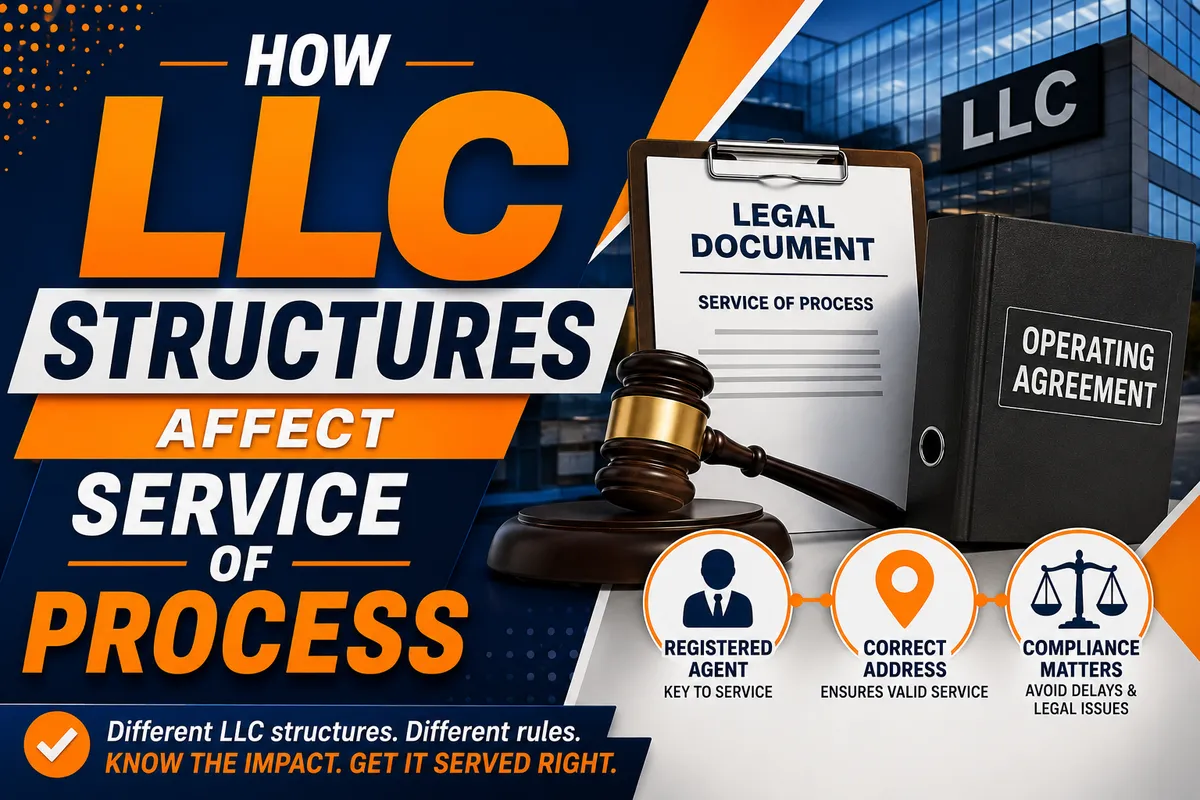
How LLC Structures Affect Service of Process
Limited Liability Companies (LLCs) are one of the most common business structures in the United States. They combine the liability protection of a corporation with the operational flexibility of a partnership, making them a popular choice for businesses of all sizes. Because LLCs are created under state law, the rules governing their formation, management, and legal obligations vary by jurisdiction.
 industry insights
Demographic Trends That Influence Legal Work
The legal industry continues to evolve alongside changes in society. Population growth, migration, aging communities, technological advancement, and increasing cultural diversity are reshaping the types of legal services clients need and how legal professionals deliver them. Understanding demographic trends in legal work allows attorneys, process servers, law firms, and legal support professionals to anticipate client needs, improve service delivery, and position their businesses for long-term success.
 industry insights
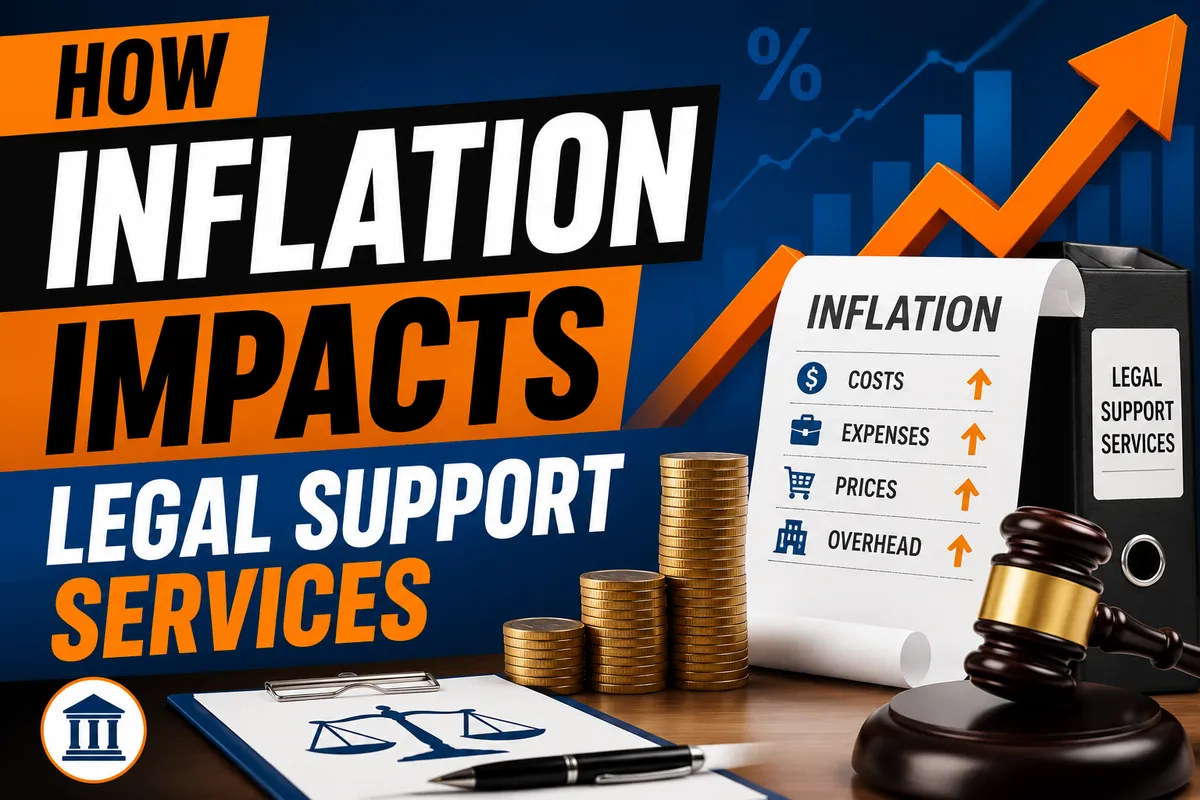
How Inflation Impacts Legal Support Services
Inflation affects nearly every business sector, and the legal field is no exception. As the prices of goods and services continue to rise, legal professionals must adapt to increasing operational expenses while maintaining the quality and reliability of the services they provide. For process servers, attorneys, law firms, court runners, investigators, and other legal support professionals, understanding the inflation impact on legal services is essential for maintaining profitability and delivering consistent client service.
 industry insights
Understanding Lis Pendens and Related Notices
In real estate litigation, few legal filings are as important as a Lis Pendens. Derived from the Latin phrase meaning "pending lawsuit," a Lis Pendens is a public notice that informs anyone interested in a property that it is involved in ongoing court proceedings. While it does not determine ownership or automatically stop a property from being sold, it alerts buyers, lenders, title companies, and other parties that the outcome of the lawsuit may affect the property's ownership or legal interests.
 industry insights
When Should a Process Server Recommend a Private Investigator?
Understanding the process server vs private investigator distinction helps legal professionals know when additional expertise is needed. There are situations where serving legal documents becomes increasingly difficult, and recommending a qualified private investigator is the most effective solution. Knowing when to hire a private investigator demonstrates professionalism, protects the integrity of the legal process, and improves the likelihood of a successful outcome.
 industry insights
The Impact of Digital Identity Verification on Process Serving
Technology continues to reshape the legal industry, and one of the most important developments is digital identity verification. As legal professionals seek greater accuracy, efficiency, and security, identity verification for process servers has become an increasingly valuable part of modern process serving technology.
 industry insights
The Future of Legal Outsourcing: How Technology Is Transforming Legal Support Services
Legal outsourcing, also known as legal process outsourcing (LPO), has become an essential strategy for law firms looking to improve efficiency while controlling operational costs. Rather than handling every legal and administrative task internally, firms increasingly rely on trusted third-party providers to perform specialized services ranging from legal research and document review to process serving and litigation support.
 industry insights
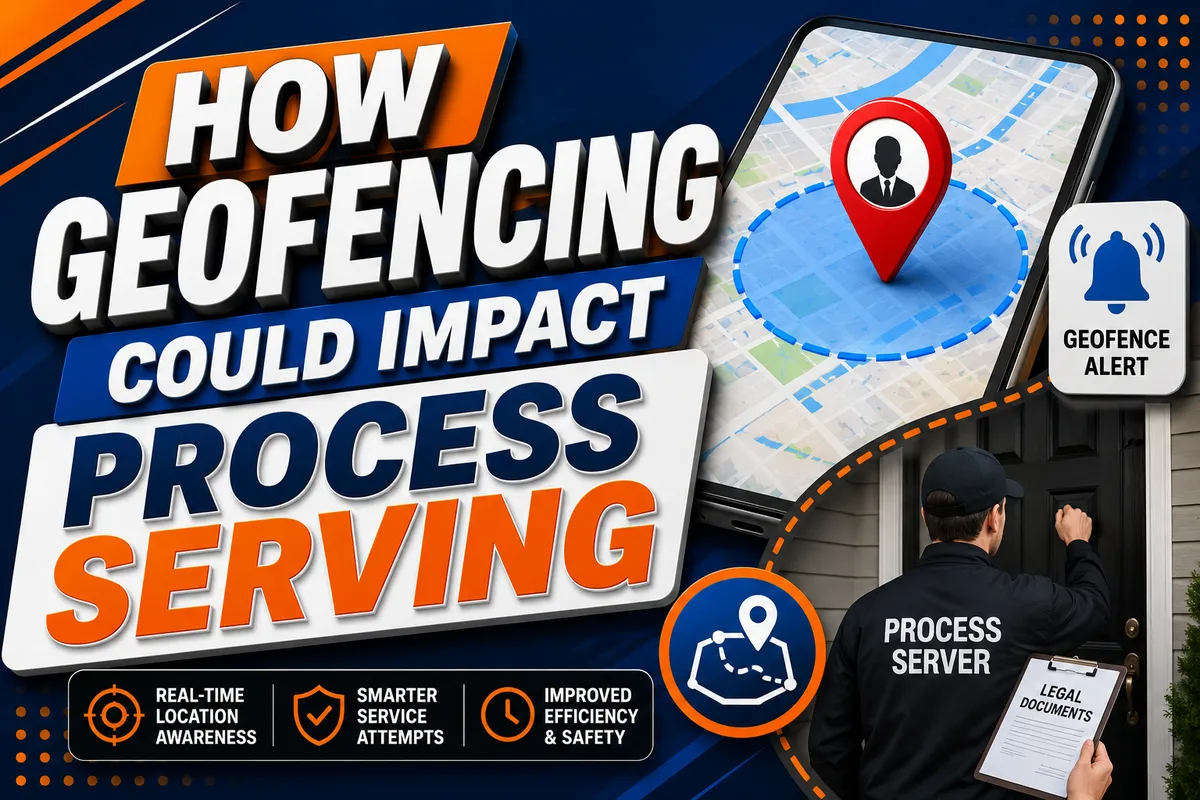
How Geofencing Could Impact Process Serving
Technology continues to transform nearly every aspect of the legal industry, and the process serving profession is no exception. One of the most promising innovations is geofencing in process serving, a location-based technology that is changing how legal documents are delivered, tracked, and documented.
 industry insights
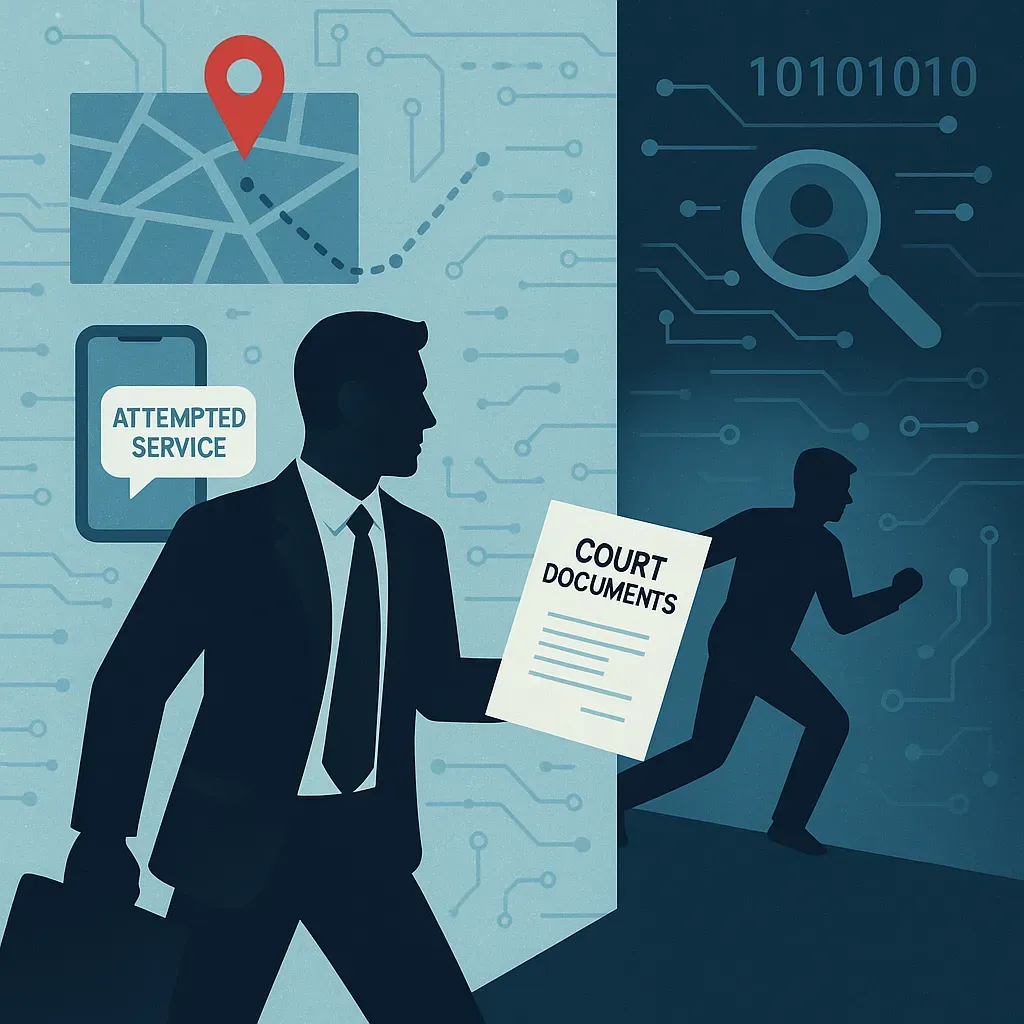
The 2026 Guide to Serving Evasive Defendants: New Tactics, Tools & Legal Considerations
Evasive defendants are tougher to serve than ever, but modern tools give process servers a clear edge. Success in 2026 comes from combining digital intelligence (social media clues, online activity, multi-database skip tracing) with strategic timing, legally sound surveillance, and strong documentation.
 industry insights
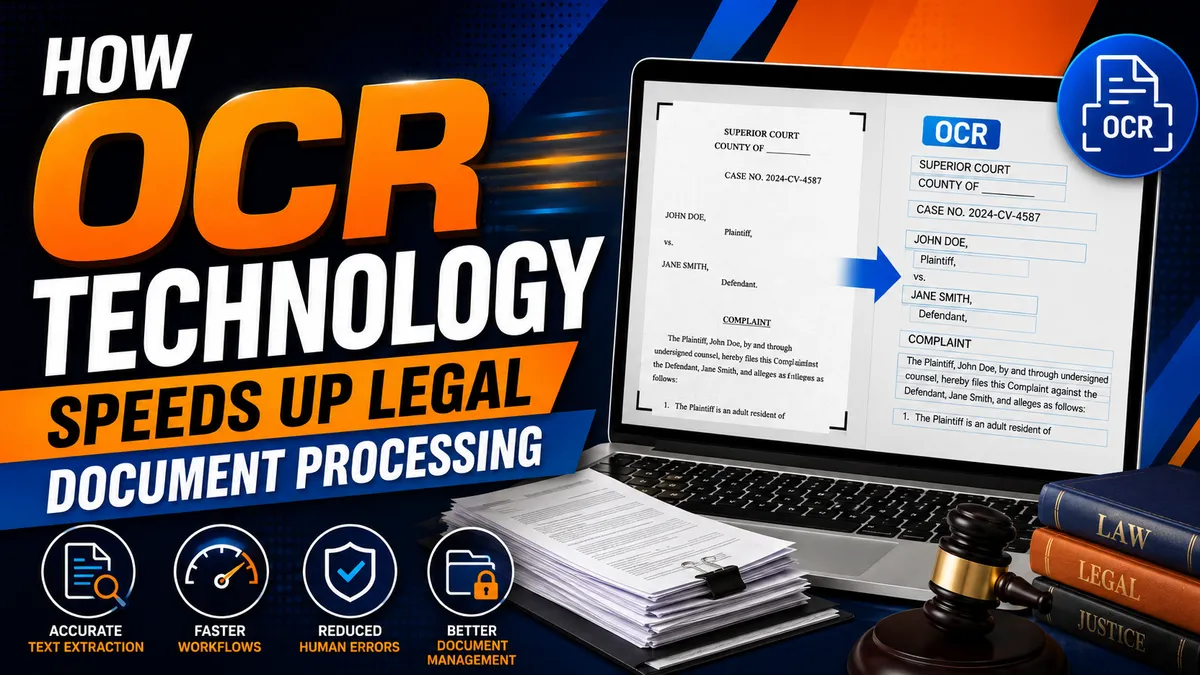
How OCR Technology Speeds Up Legal Document Processing
Optical Character Recognition (OCR) converts scanned documents, images, and PDF files into editable and searchable digital text. Rather than treating a scanned page as a simple image, OCR identifies letters, numbers, and formatting so software can recognize, search, copy, organize, and extract information automatically.
 industry insights
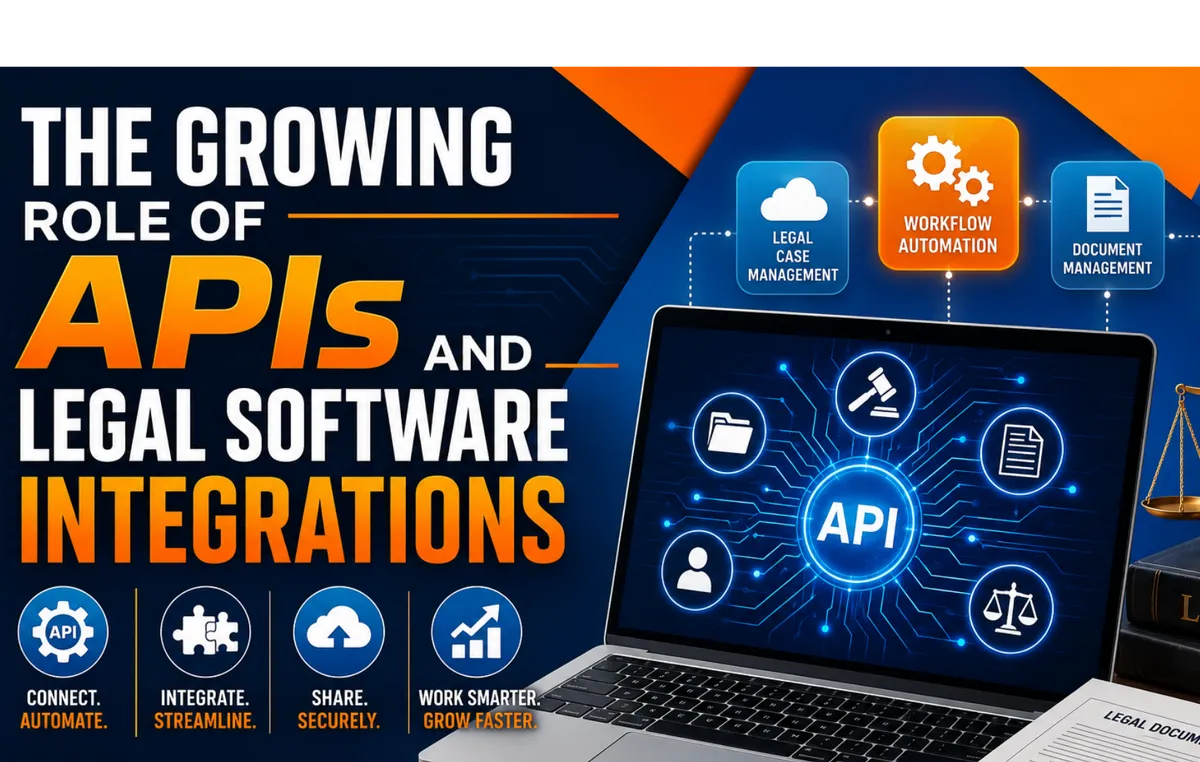
The Growing Role of APIs and Legal Software Integrations
Technology is transforming every aspect of the legal profession. Law firms, legal departments, legal support companies, and process servers are increasingly adopting digital tools to improve efficiency, reduce manual work, and deliver better client service. One of the most significant developments driving this digital transformation is the use of Application Programming Interfaces, commonly known as APIs.
 industry insights
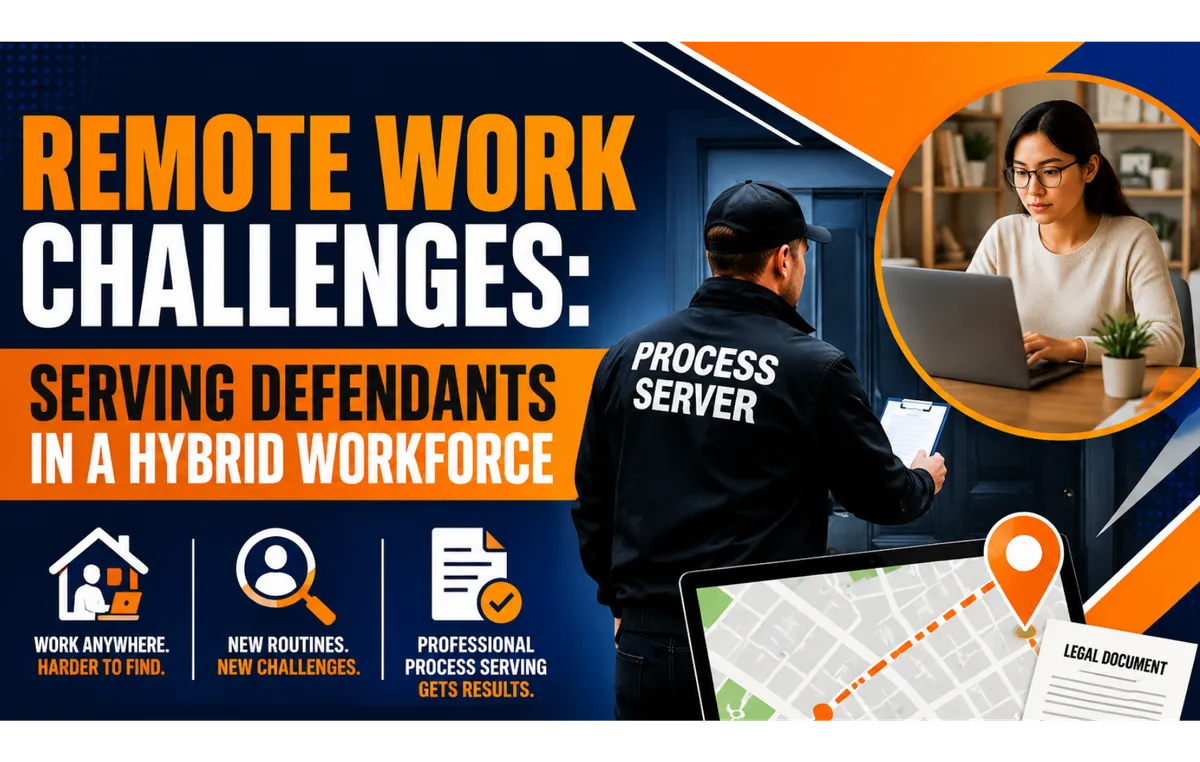
Remote Work Challenges: Serving Defendants in a Hybrid Workforce
The workplace has changed dramatically over the past several years. Businesses across nearly every industry have embraced remote and hybrid work models, allowing employees to divide their time between home and the office or work entirely from remote locations. While these flexible work arrangements have improved productivity and employee satisfaction, they have also introduced new remote work challenges in process serving.
 industry insights
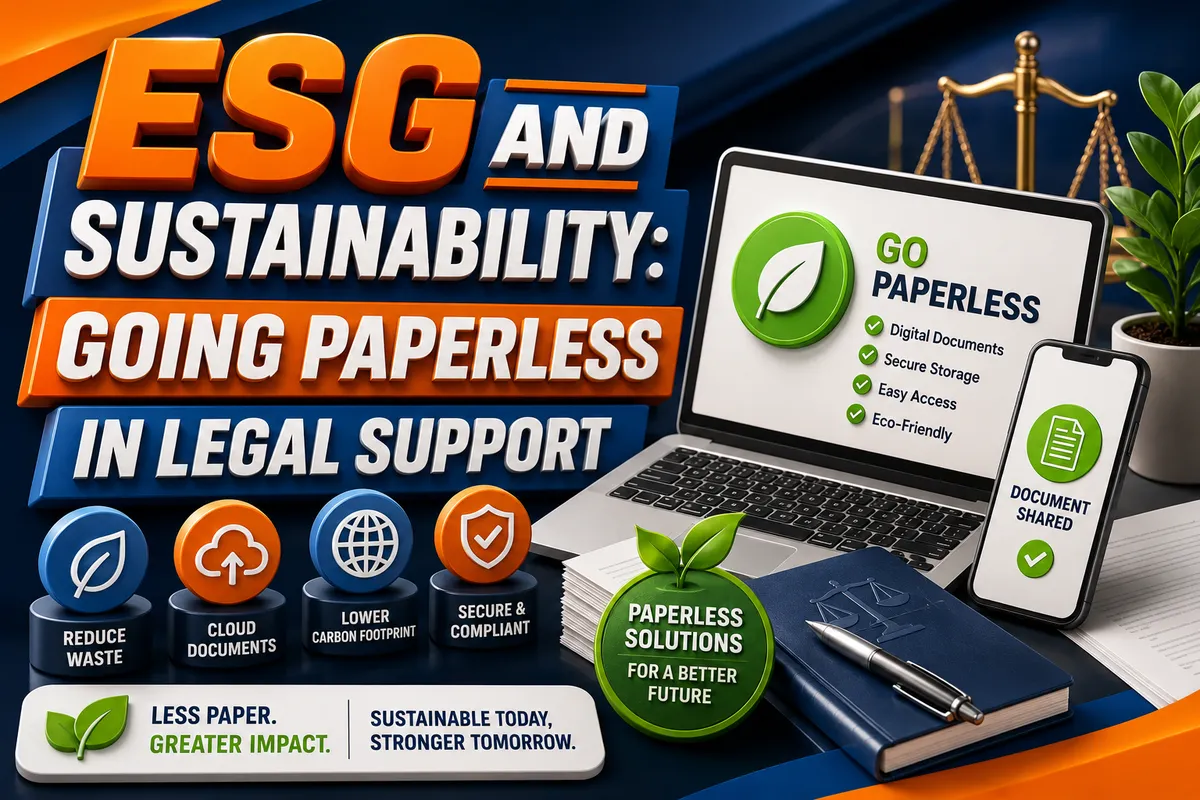
ESG and Sustainability: Going Paperless in Legal Support
Environmental, Social, and Governance (ESG) principles are becoming an important part of modern business strategy across every industry, including the legal profession. ESG in legal support focuses on adopting environmentally responsible practices, ethical governance, operational transparency, and sustainable business processes that improve both organizational performance and client trust.
 industry insights
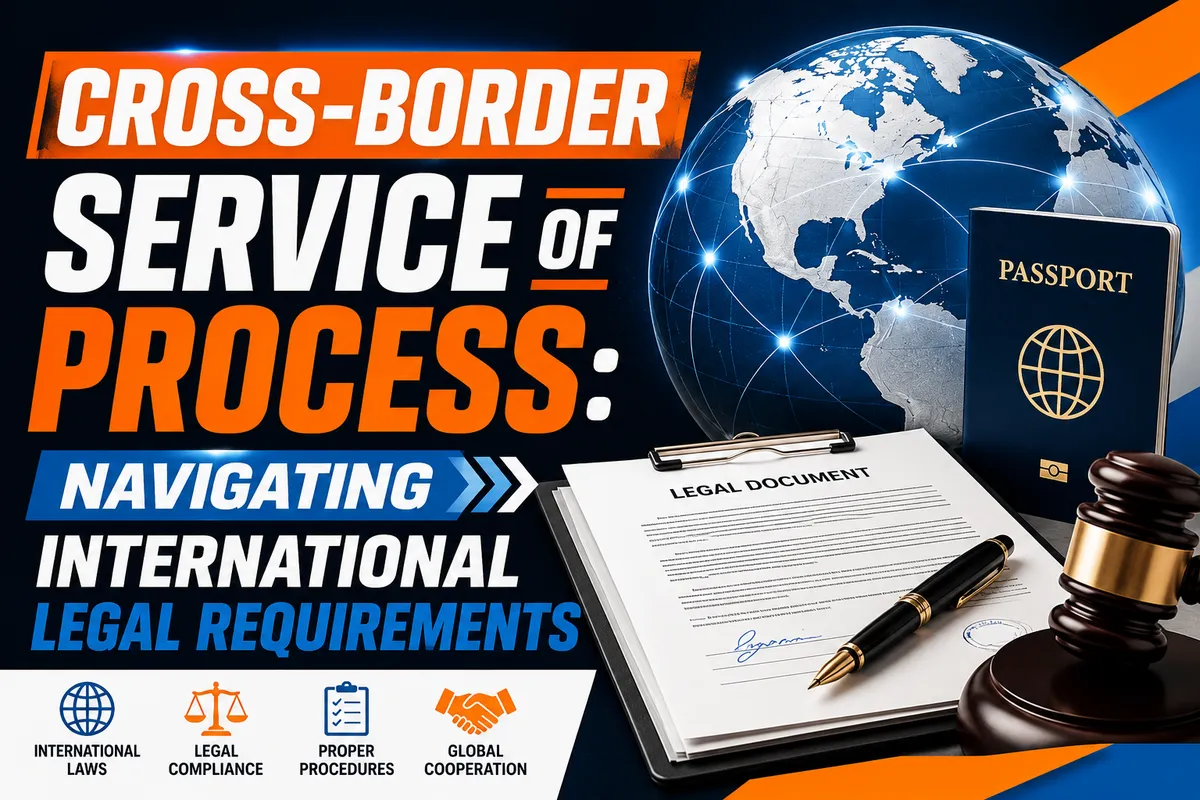
Cross-Border Service of Process: Navigating International Legal Requirements
As business, litigation, and personal legal matters increasingly extend across national borders, cross-border service of process has become an important part of modern legal practice. Attorneys, law firms, corporations, and licensed process servers may need to serve legal documents abroad when a party is located outside the country where a case is filed.
 industry insights
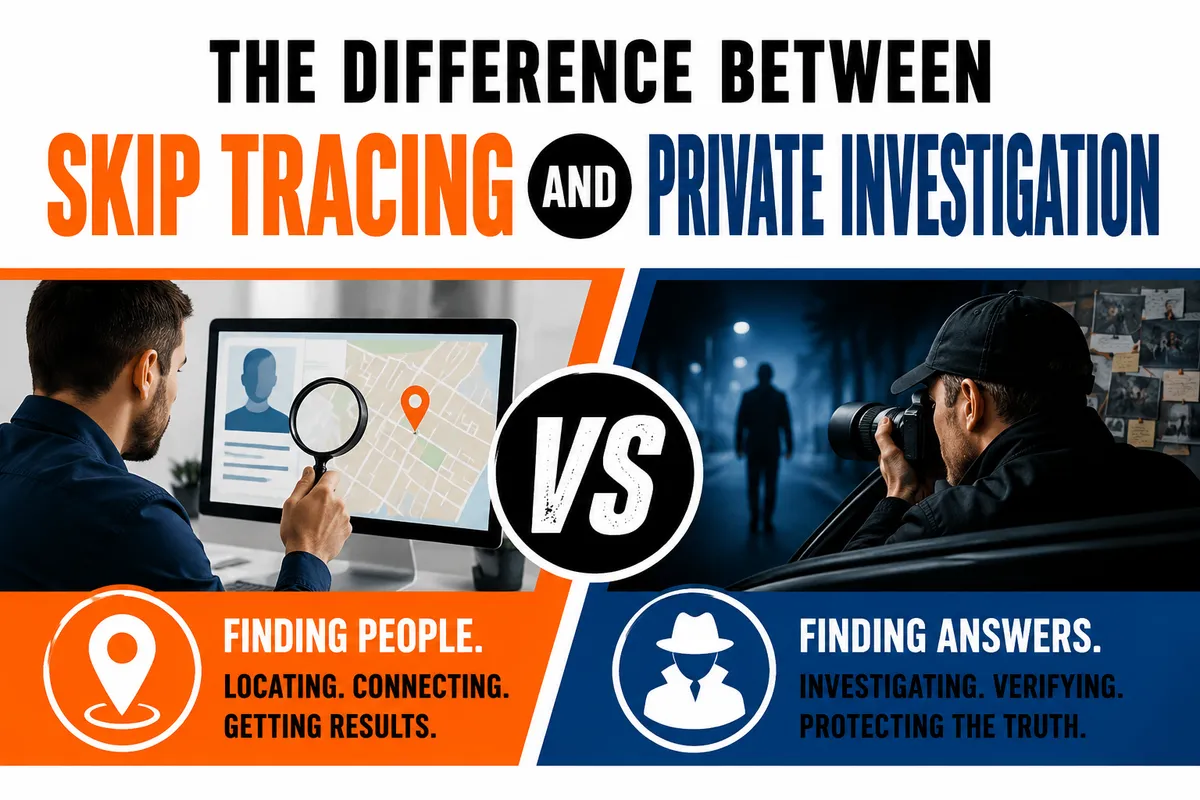
The Difference Between Skip Tracing and Private Investigation
In the legal and investigative industries, the terms skip tracing and private investigation are often mentioned together. While both services involve gathering information and locating individuals, they serve different purposes and require distinct methods, tools, and expertise. Understanding the difference between skip tracing and private investigation helps attorneys, law firms, process servers, debt recovery professionals, and businesses choose the right solution for their specific needs.
 industry insights
Defensibility-First Service for Debt Collection Work
Debt collection and default-judgment workflows continue to face heightened scrutiny around notice, records, and consumer harm. The winning posture for process-serving vendors working with collections is to run “defensibility-first” service: clean affidavits, strong diligence logs, and client education on when alternative service is appropriate. The best operators are packaging evidence the way regulators and courts want to see it.
 industry insights
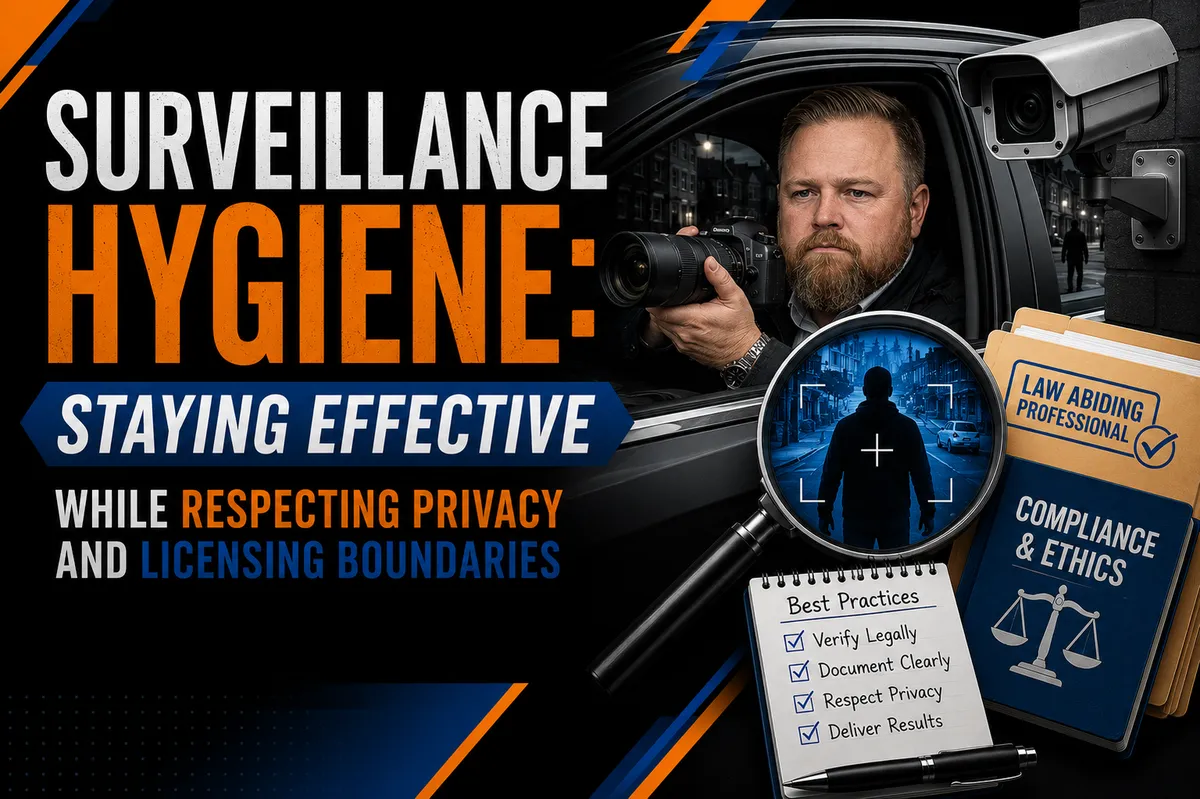
Surveillance Hygiene: Staying Effective While Respecting Privacy and Licensing Boundaries
We’re spotlighting “legal, ethical surveillance hygiene”—how to stay effective while respecting privacy, consent, and licensing boundaries. The business opportunity: position your PI practice as the “clean hands” option for law firms and insurers.
 industry insights
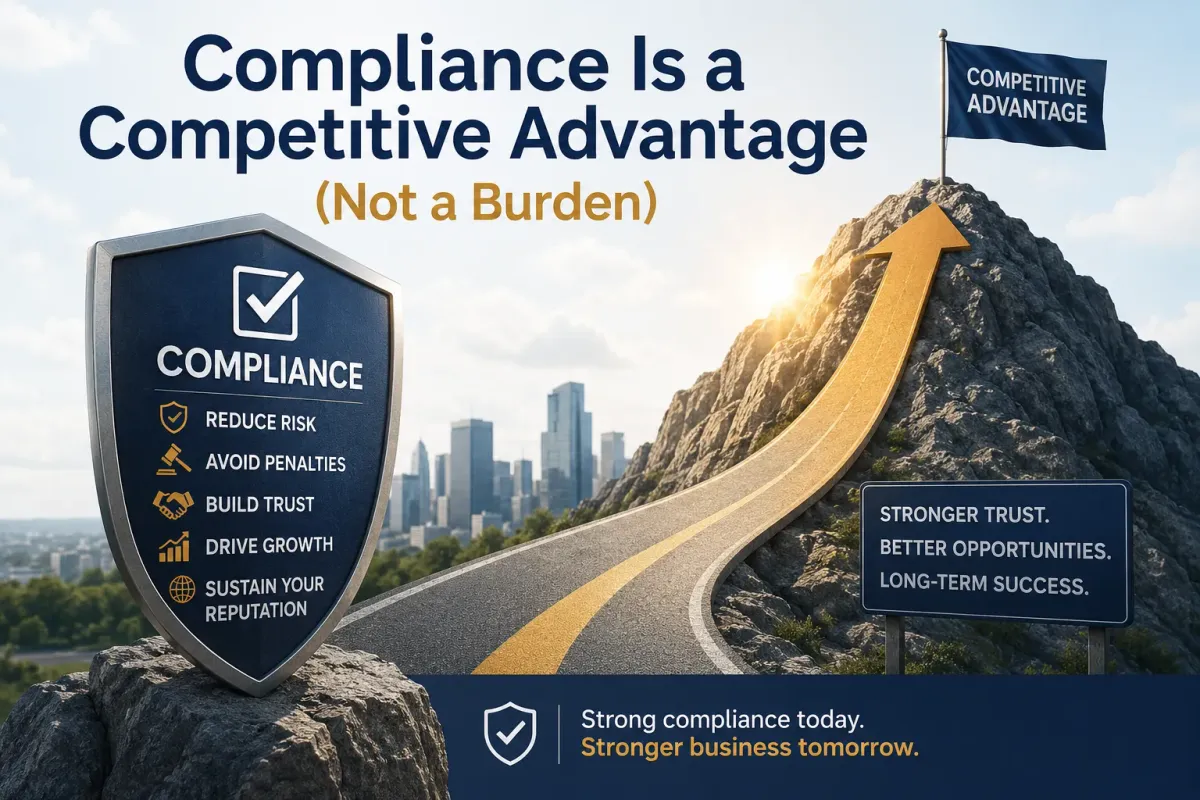
Compliance Is a Competitive Advantage (Not a Burden)
Licensing boards and compliance discussions continue to emphasize documentation, training, and boundaries—especially as surveillance tools get more capable. We summarize what to watch in board meetings and why PIs should keep internal policies updated.
 industry insights
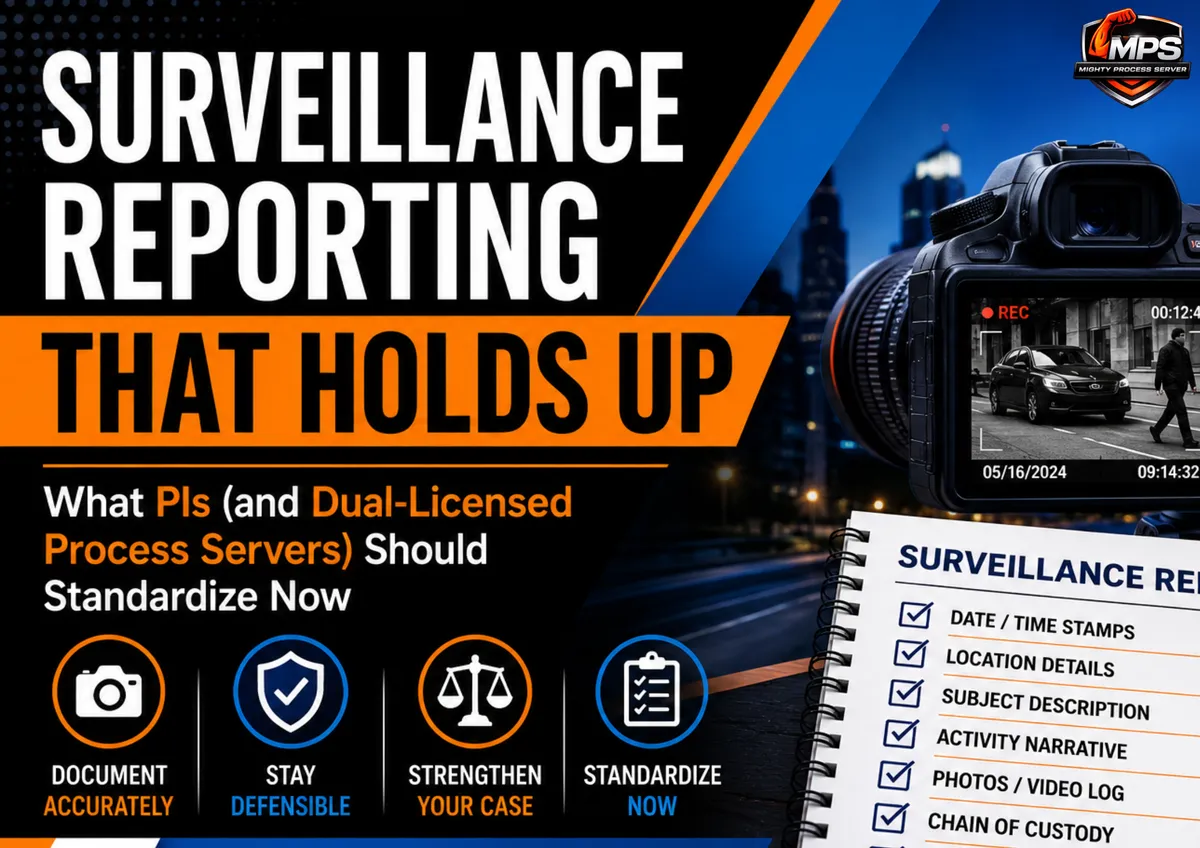
Surveillance Reporting That Holds Up: What PIs (and Dual-Licensed Process Servers) Should Standardize Now
Strong surveillance reporting can make the difference between useful fieldwork and documentation that falls apart under scrutiny. Learn what private investigators and dual-licensed process servers should standardize now—from time-stamped activity logs and neutral language to media organization, chain of custody, and quality control.
 industry insights
Build a “Recording-Ready” Safety Protocol (and Use the Law as Your Shield)
Serving legal documents is a critical function within the justice system, but it often places professionals in unpredictable situations. From confrontational recipients to unsafe environments, process servers face unique risks that require preparation, awareness, and proper documentation. Developing strong process server safety protocols is no longer optional. It is an essential part of operating professionally and reducing liability.
 industry insights
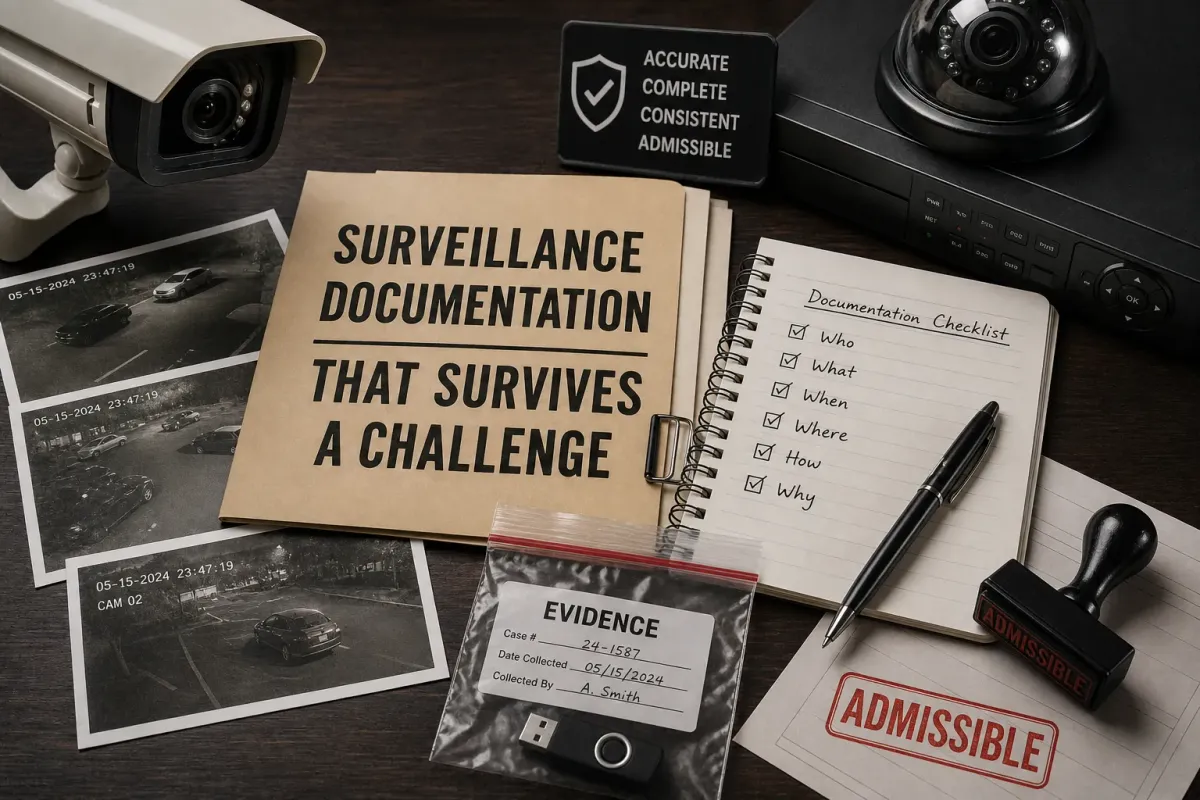
Surveillance Documentation That Survives a Challenge
Investigators are balancing expanding tech capabilities with tighter privacy expectations. We summarize practical guardrails for surveillance documentation, camera use, and license compliance that protect you (and your client) when a case gets challenged.
 industry insights
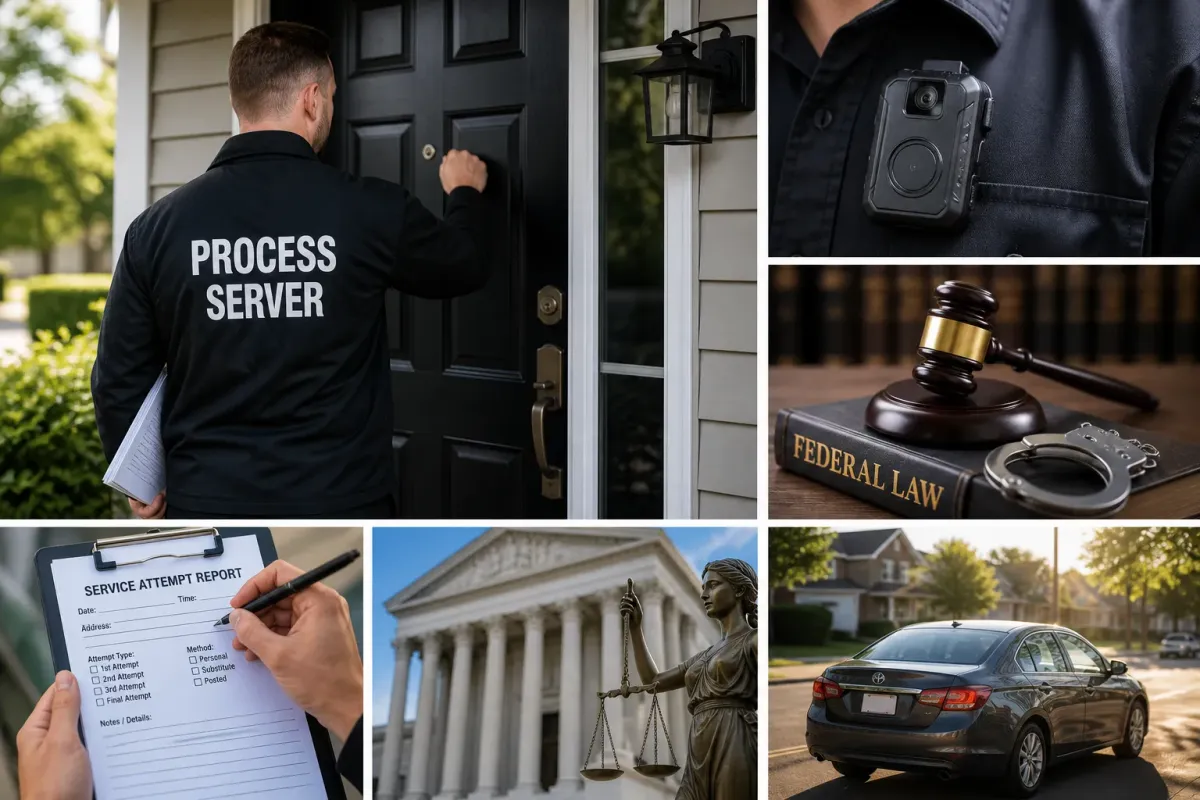
A Practical Safety Standard for Every Attempt
Process servers are working in an environment where a routine doorstep attempt can escalate fast. This week, we revisit why de-escalation training, visible ID, and body-worn cameras are becoming table-stakes in higher-risk serve environments, and we outline a simple “pre-approach” safety checklist your team can standardize before every attempt.
 industry insights
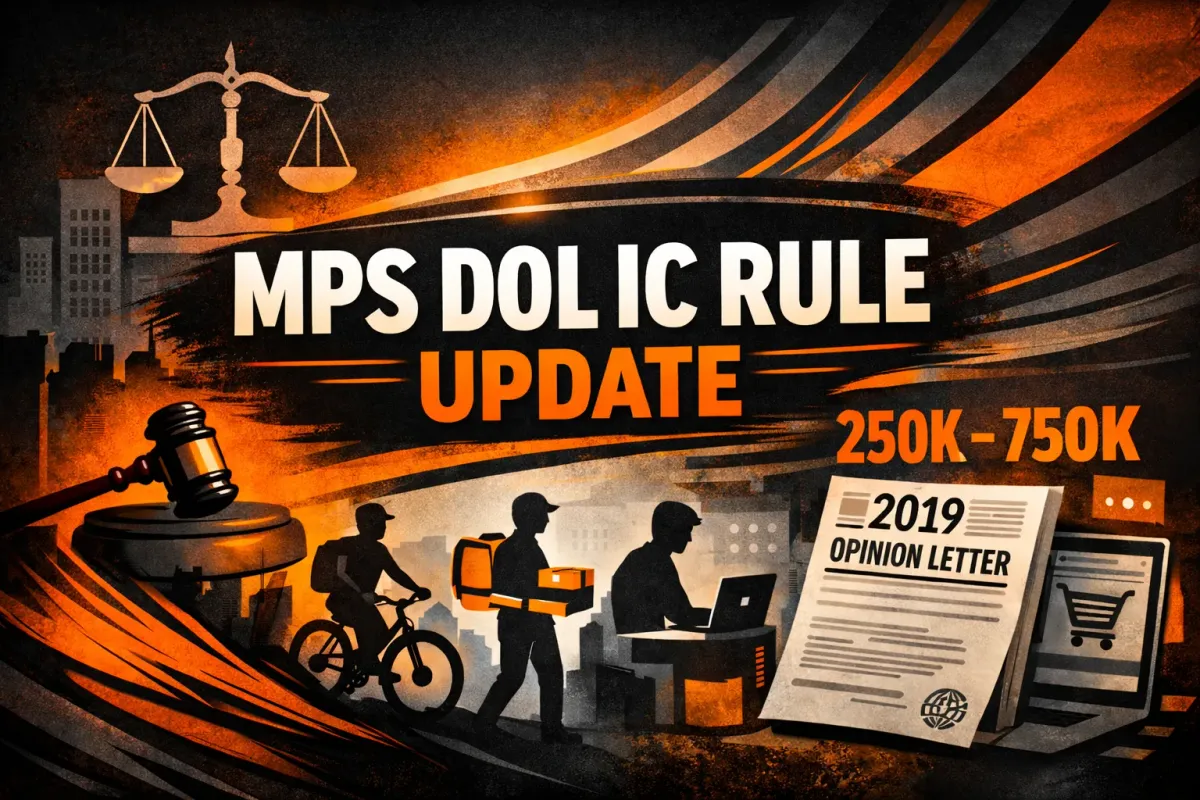
What’s New in the MPS DOL IC Rule? Key Updates for Marketplace Providers
The DOL Independent Contractor Rule remains a major issue for virtual marketplace providers and gig economy businesses. Learn about worker-classification standards, the 2019 DOL opinion letter, potential compliance risks, and what marketplace companies should watch.
 industry insights
5 Bills That Can Kill the PI Industry — and What You Should Be Doing About It
Privacy laws, surveillance restrictions, licensing requirements, and digital data regulations could reshape the private investigation industry. Here are five major legislative threats PIs and process servers should watch and what industry professionals can do to prepare.
 industry insights
CFPB Steps Back, Lawsuit Filings Surge, and What It Means for Your Pipeline
CFPB slashed to fewer than 70 virtual-only exams in 2026 (down about 90%). FDCPA filings +26.5% YoY, FCRA +47.5% YoY. More lawsuits = more summons in the pipeline.
 industry insights
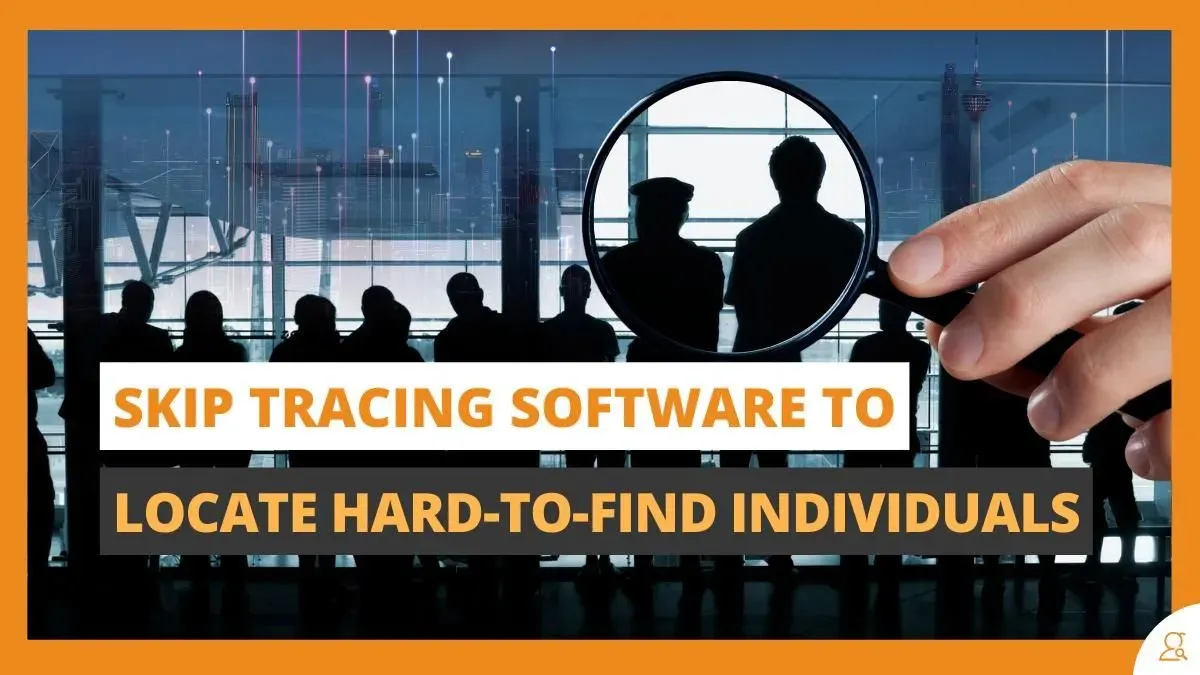
SKIP TRACING GOES FEDERAL — ICE Awards $281M in Nationwide Contracts
ICE's nationwide skip tracing initiative is putting new attention on the tools used to locate people. Here's what the federal contracts, AI technology, privacy debate, and growing regulatory scrutiny could mean for process servers and private investigators.
 industry insights
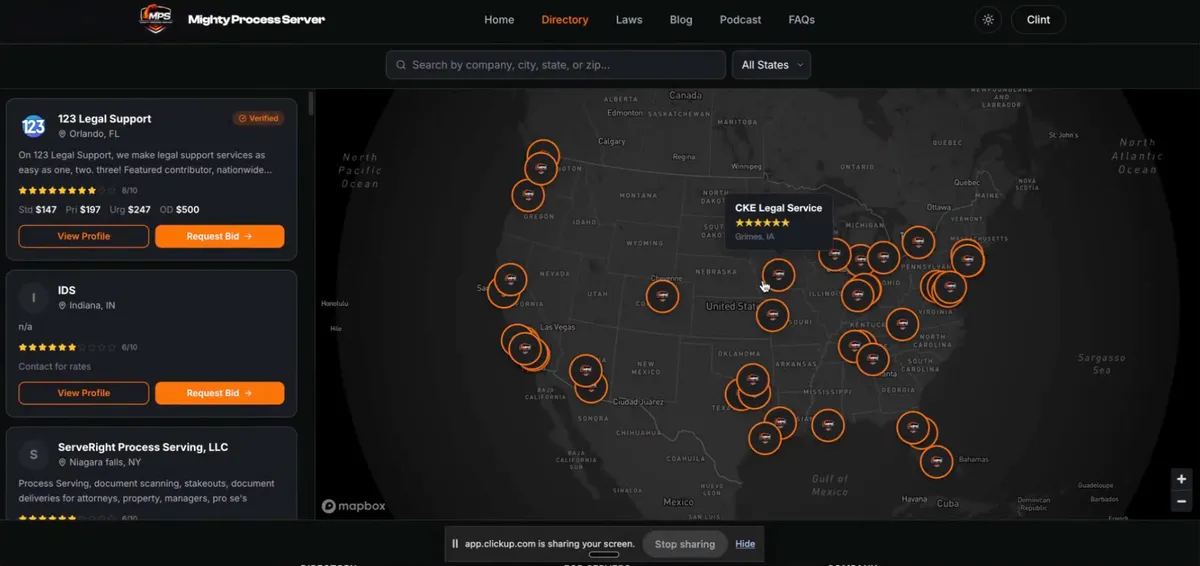
Mighty Process Server Launch & Directory
Discover the new Mighty Process Server platform, offering tools, resources, and a directory for legal process serving. Streamline your legal operations today.
 industry insights
COLLECTION AGENCIES VS. PROCESS SERVERS — The Fight Over Due Process
Debt collection lawsuits depend on proper service of process. As Congress considers H.R. 2704 and the CFPB reviews debt collection oversight, process servers remain a critical safeguard against improper default judgments and sewer service.
 industry insights
PRIVATE INVESTIGATOR LEGISLATION — New Bills Target PI Practices in 2026
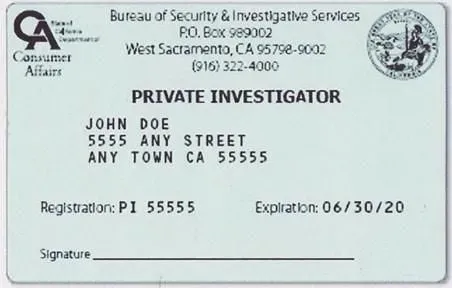
Private investigator laws are evolving in 2026, with new proposals addressing training, confidentiality, licensing, privacy, and professional conduct. Here's what PIs and process servers should know about developments in California, South Carolina, Oregon, and the broader investigation industry.
 industry insights
PROCESS SERVER SAFETY — Where Do We Stand on Assault Protections?
Process servers face unpredictable situations while delivering legal documents, yet enhanced assault protections remain limited across the United States. This 2026 guide examines process server safety, current assault protection laws, federal protections, common risks, and practical steps servers can take to stay safer in the field.
 industry insights
Private vs Sheriff Process Servers: Key Differences
Explore the debate on private vs sheriff process servers, focusing on costs, efficiency, and regulations ahead of the TAPPS conference.
 industry insights
Mike Lindell Served Legal Docs Live: Process Server Rules
Mike Lindell served live on air! Explore process server rules, valid service laws, and state regulations for serving legal documents.
 industry insights
AB 2042: Impact on CA Process Servers
Discover the impact of AB 2042 on California process servers and legal updates. Learn how to prepare for new regulations and industry changes.
Find a Process Server Today
Connect with verified, experienced process servers across all 50 states through our directory.
Browse Directory